- Overview
- Parameter
- Video
- FAQ
- Recommended Products
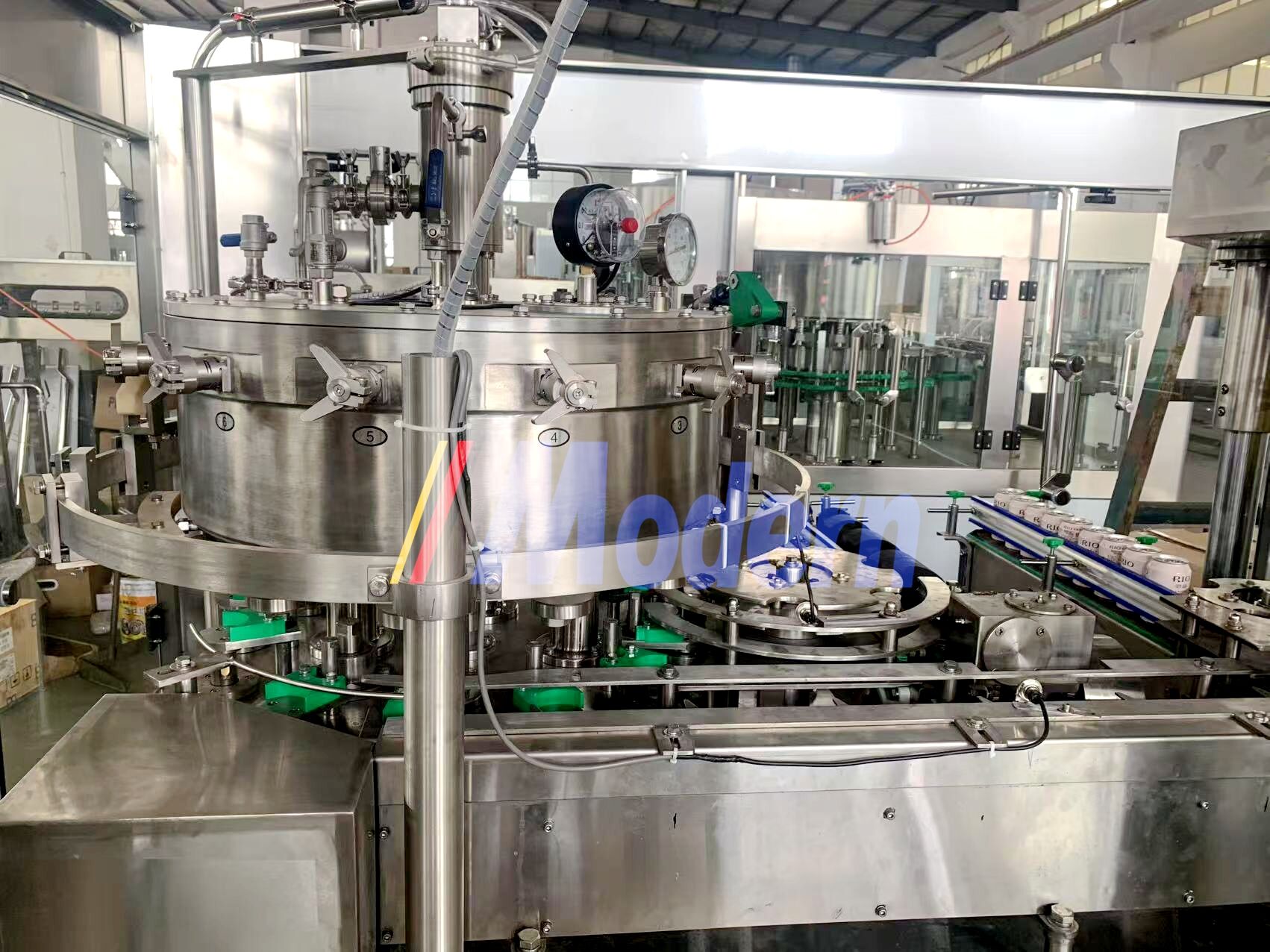
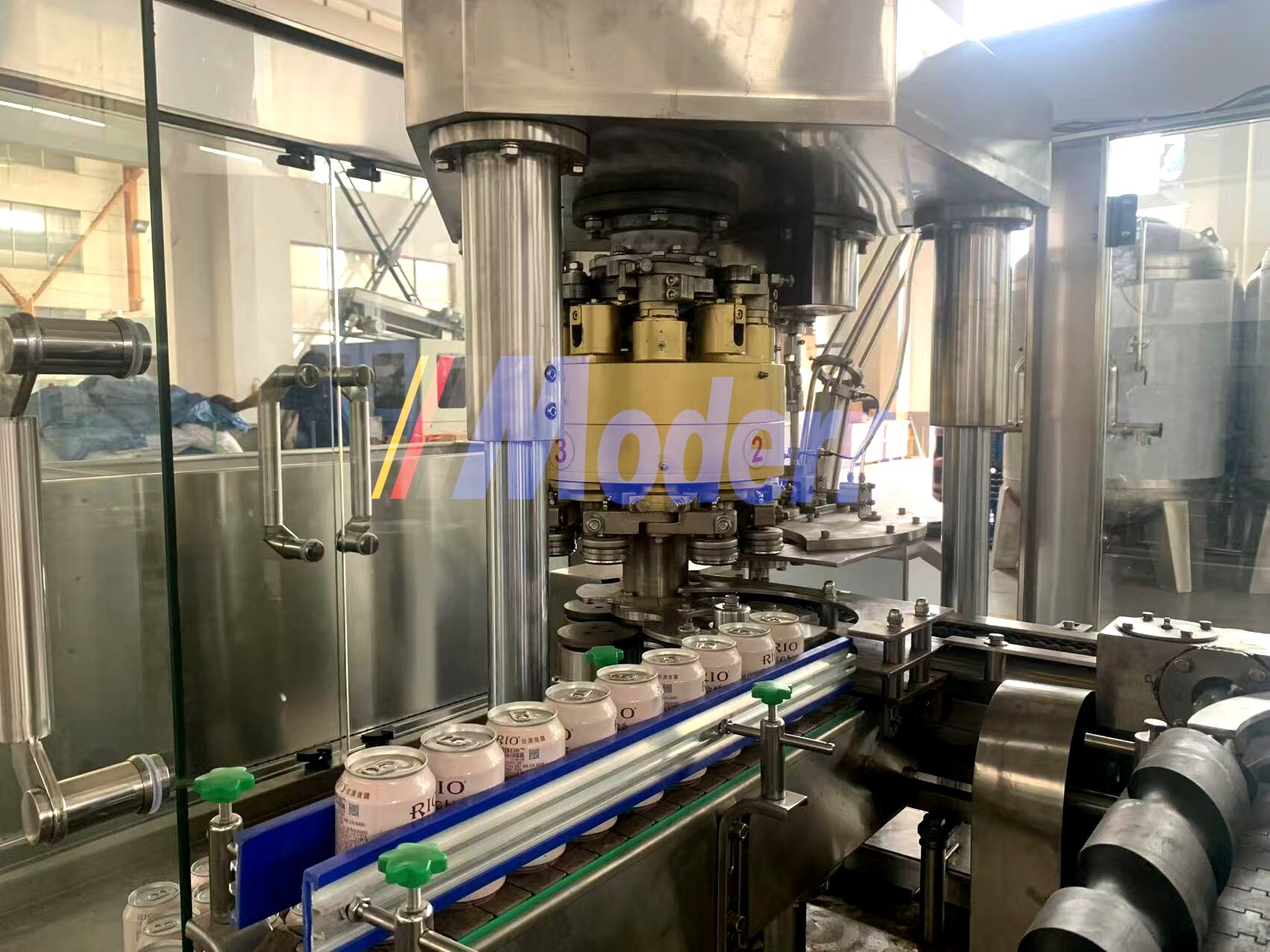
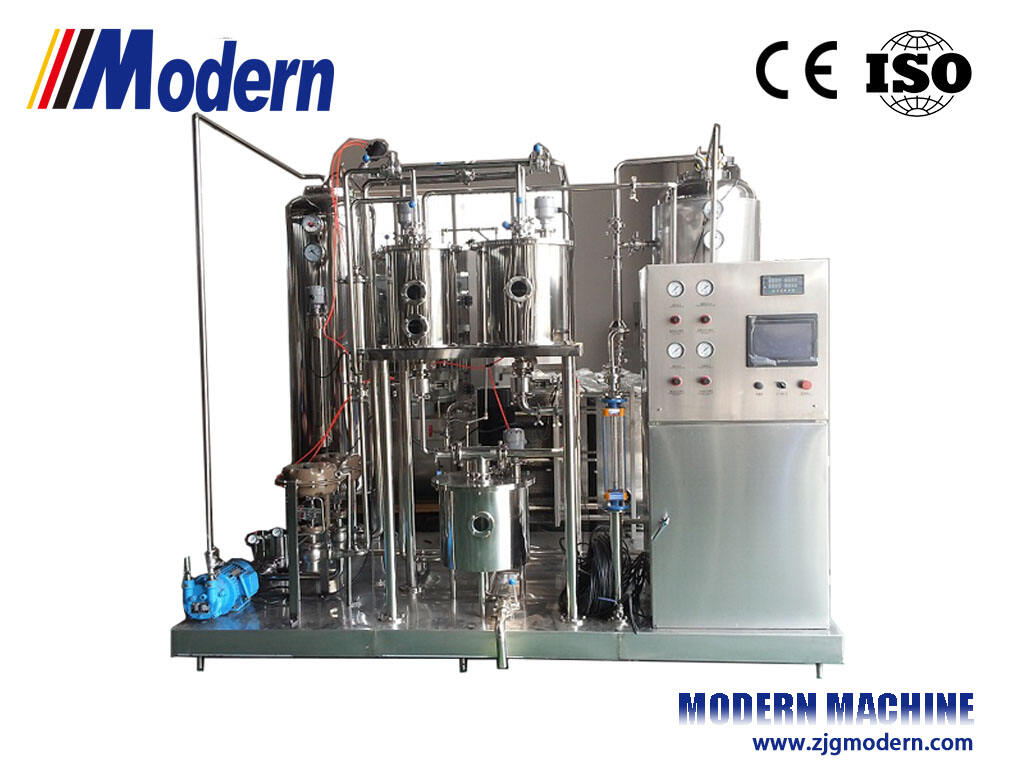
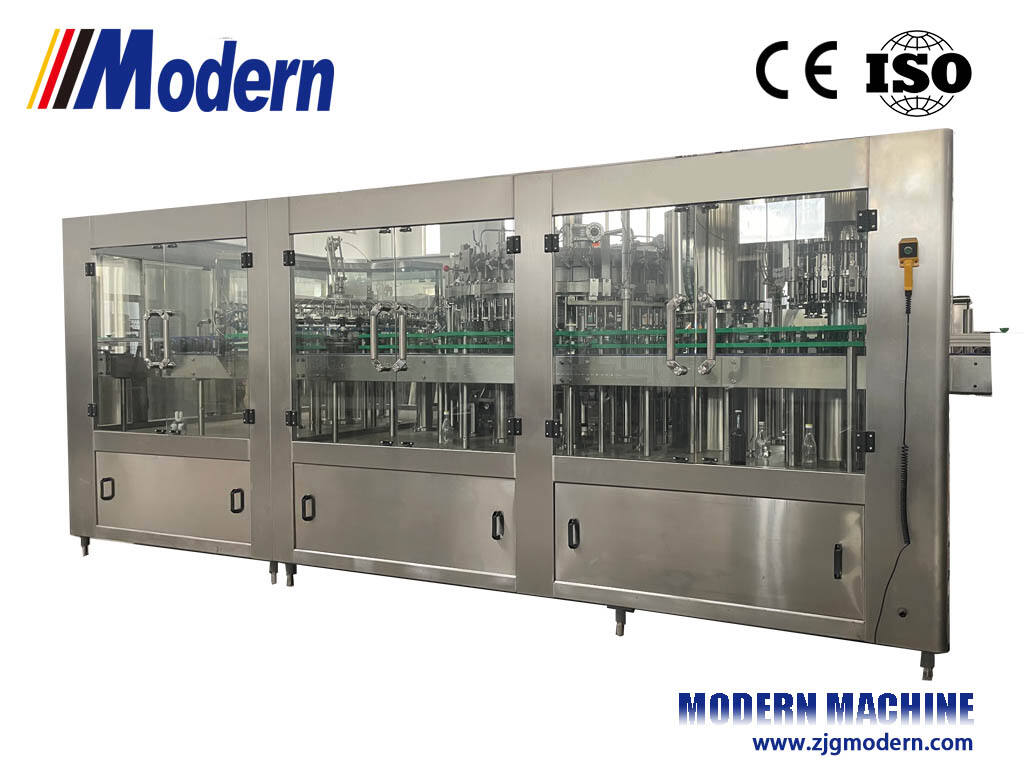
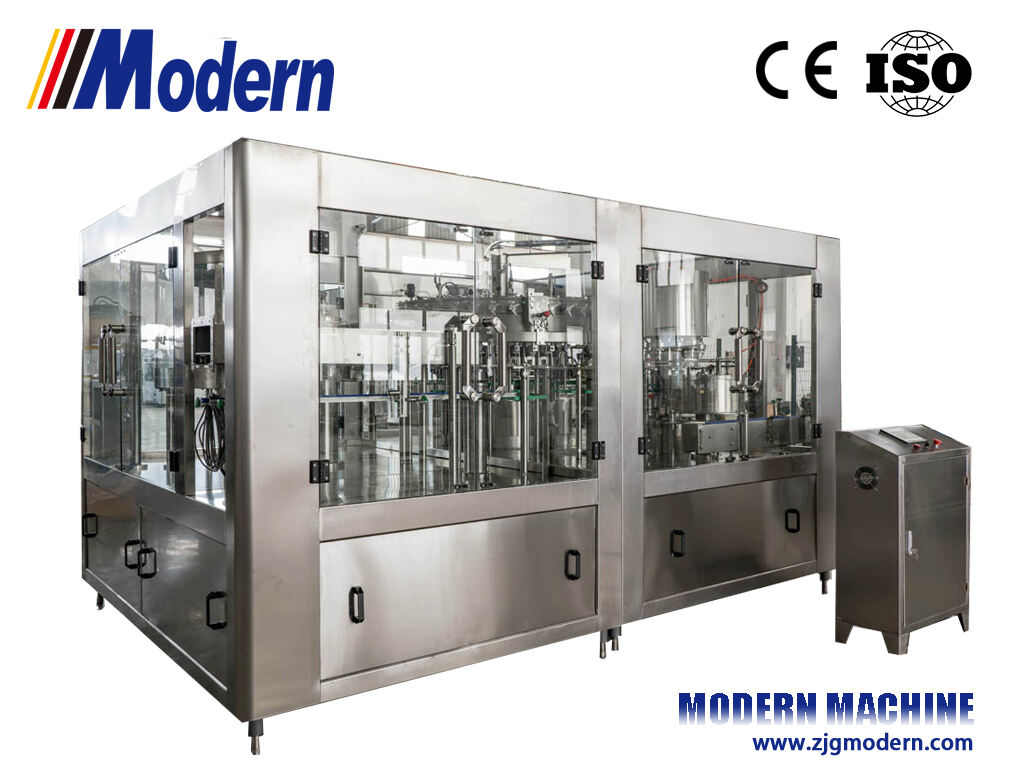
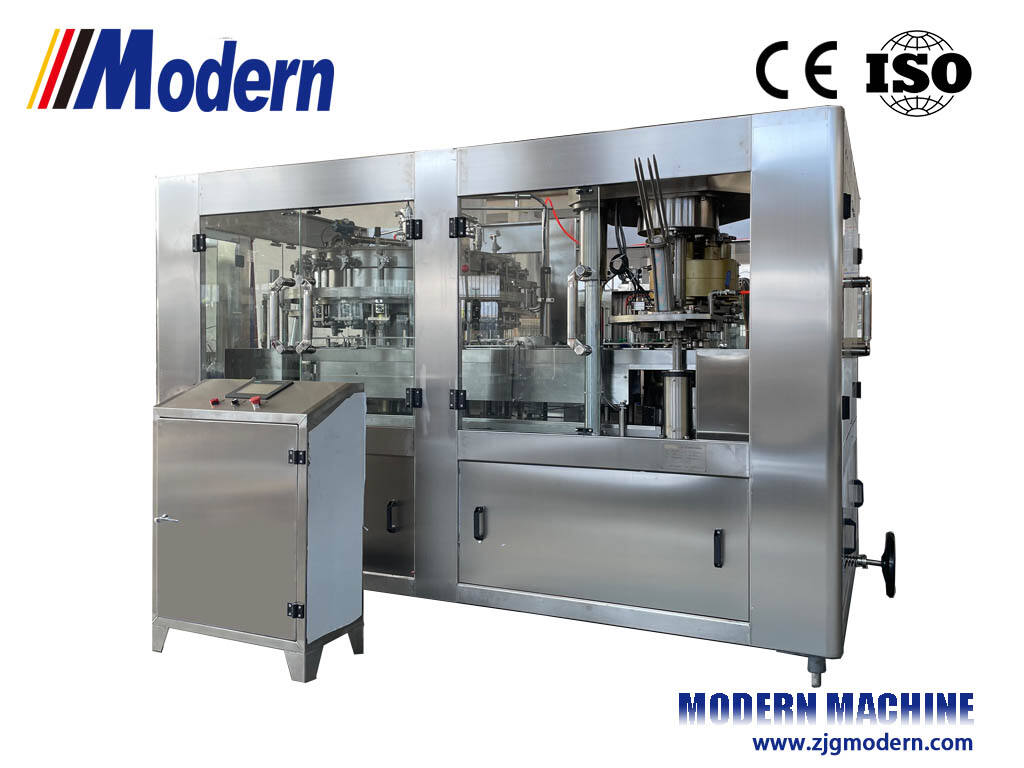
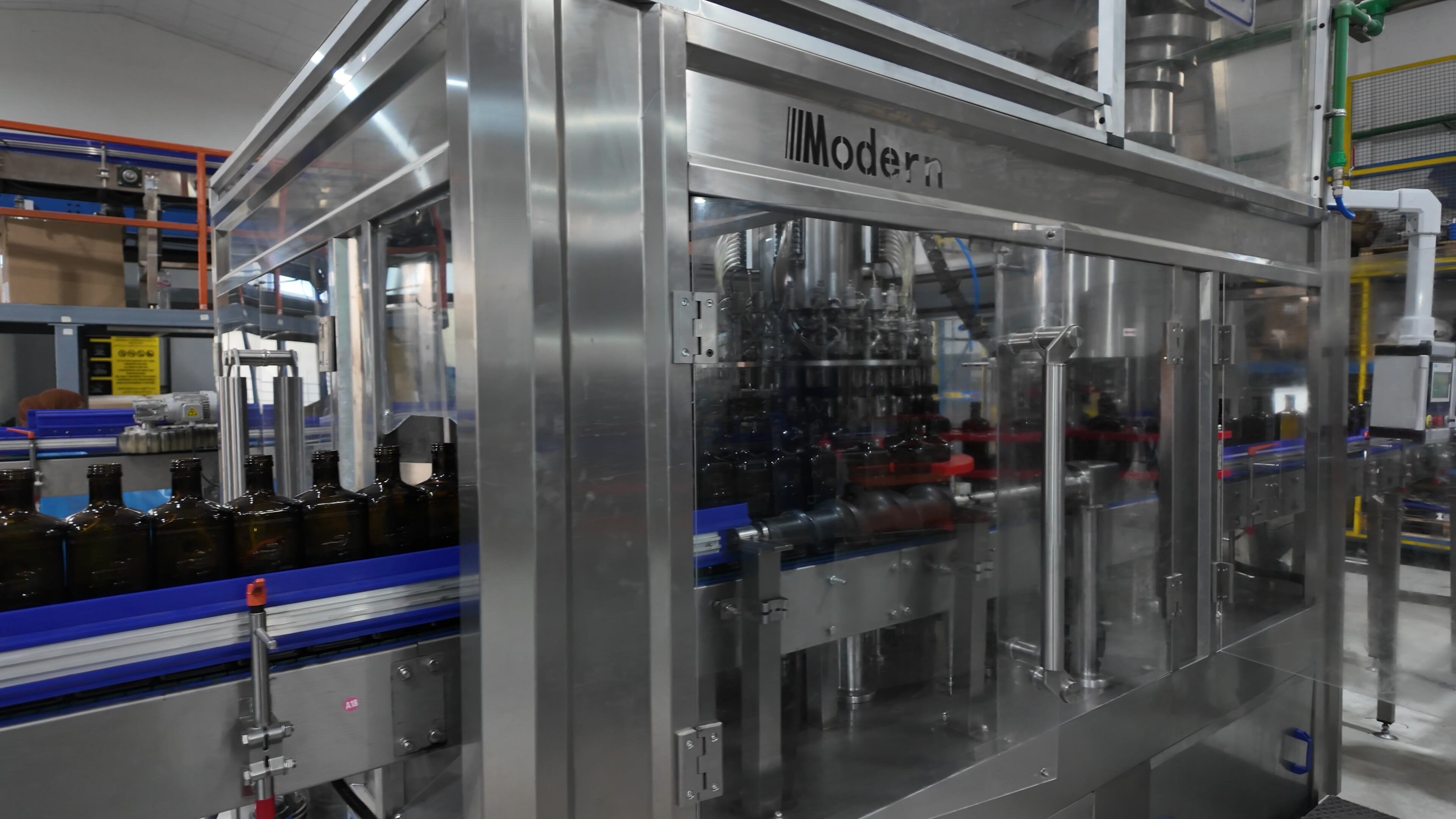
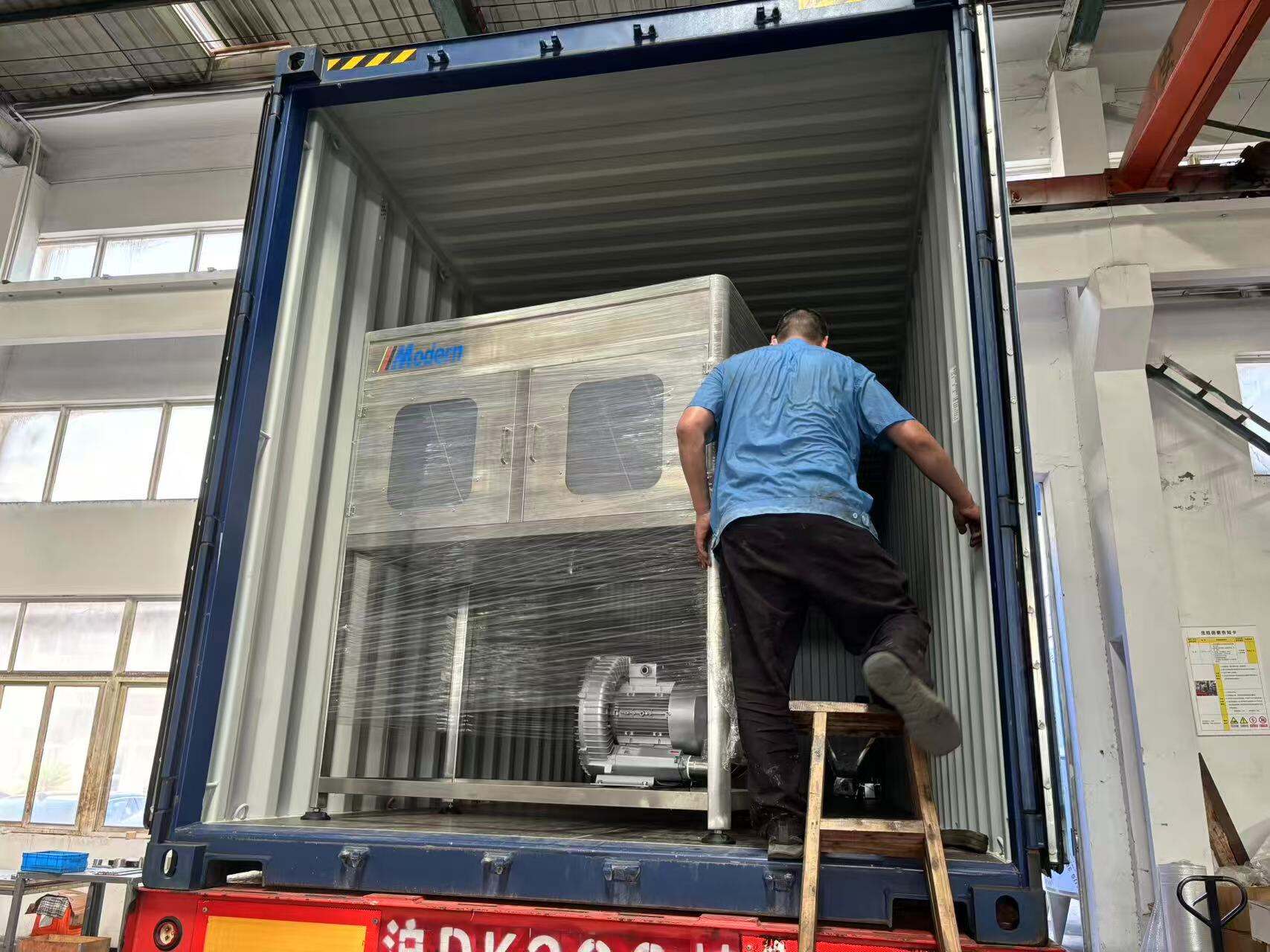
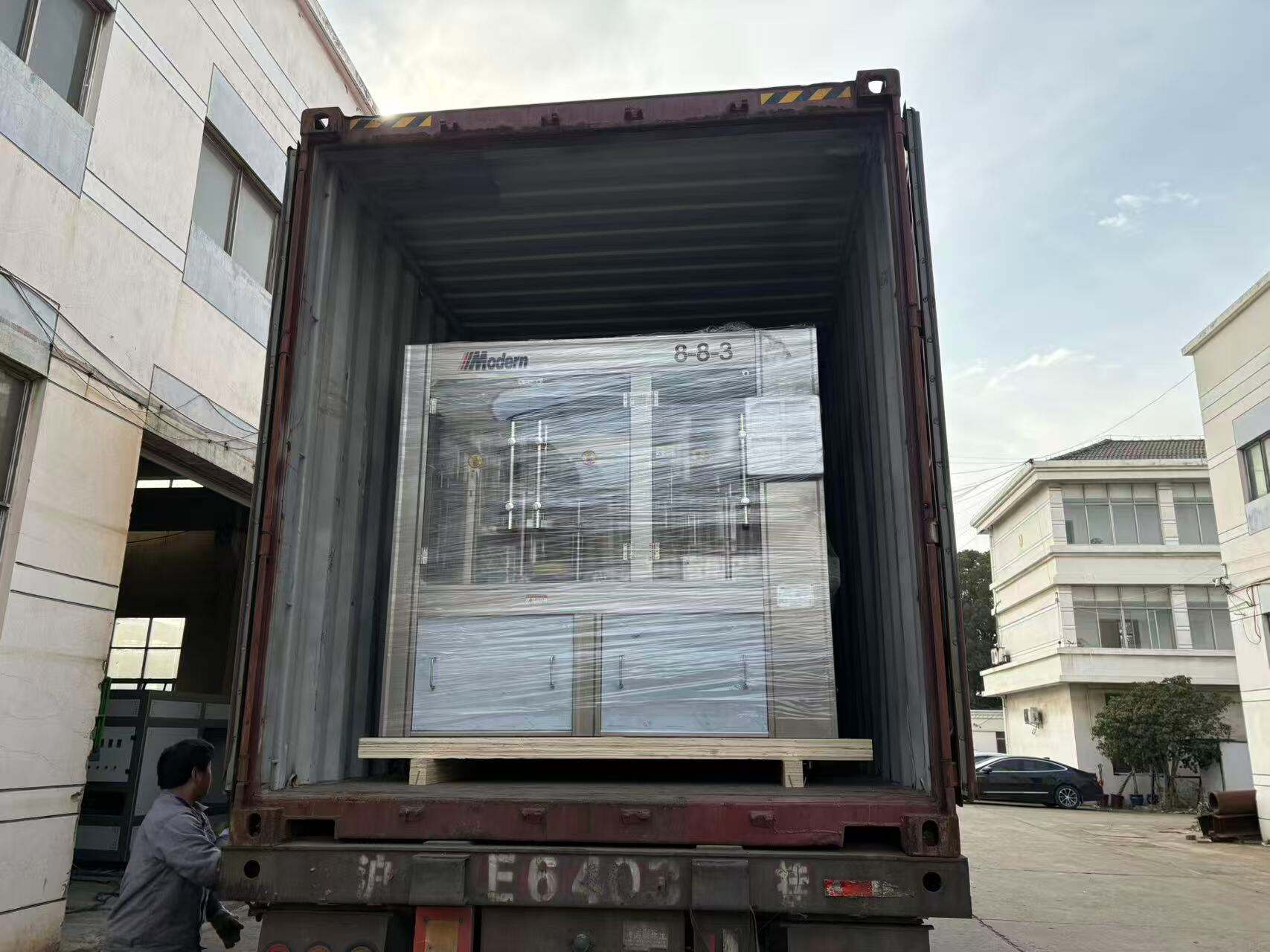
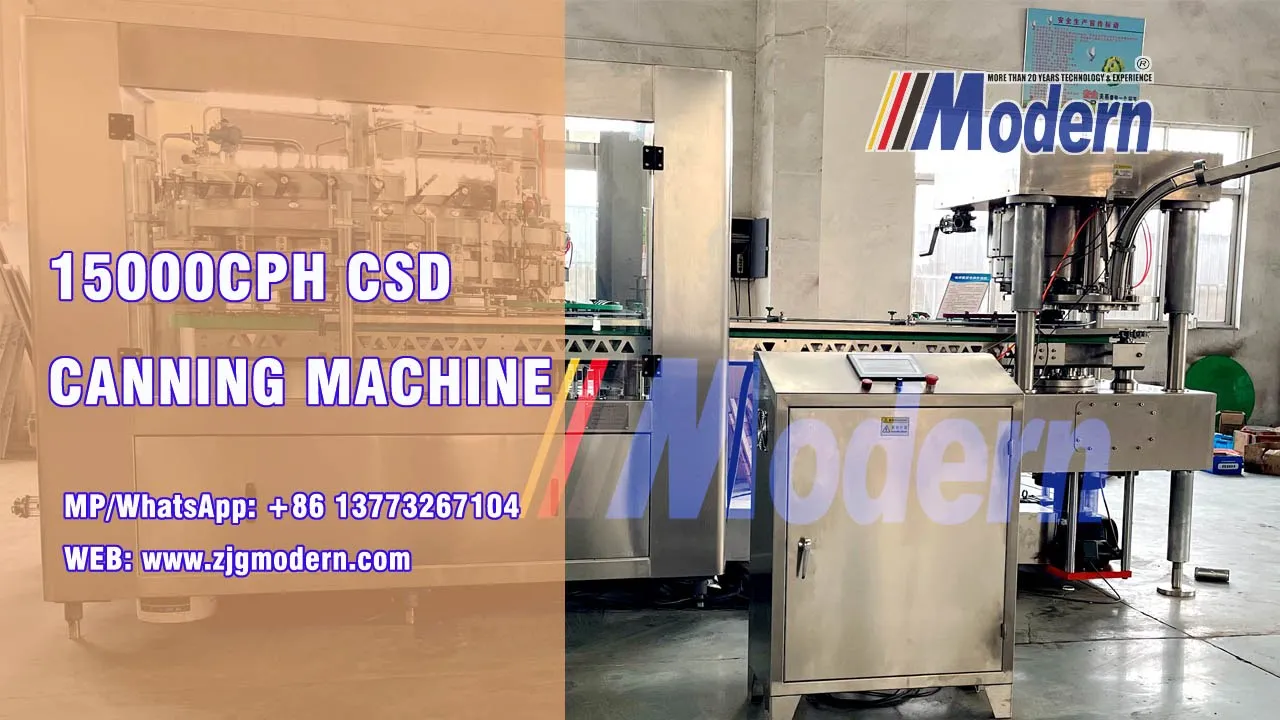
This 2in1 canning machine is a specialized equipment that fill and seal carbonated drinks into aluminum cans or PET can, such as soda, cola and beer. It’s designed to handle the unique challenges of carbonated beverage, including maintaining carbonation levels, preventing foaming, and ensuring airtight seals to preserve freshness and fizz.
This is carbonated beverage canning machine independently developed on the basis of digesting and absorbing advanced can sealing machine from domestic and abroad. Filling and sealing are designed as an integral whole, and the power system is driven by the filling and sealing system to ensure that the two are absolutely synchronized and coordinated.
|
Model
|
DYGF12-1
|
DYGF18-4
|
DYGF24-6 | DYGF30-6 |
|
Capacity (can/Hour)
|
1500-3000
|
5000-7000
|
7000-9000 | 10000-12000 |
|
Heads of filling
|
12
|
18
|
24 | 30 |
|
Heads of sealing
|
1
|
4
|
6 | 6 |
|
Filling way
|
Isobaric filling
|
|||
|
Filling temperature(℃ )
|
0-5℃
|
|||
|
Power source specification
|
AC380V/50HZ
|
|||
|
Power (kw)
|
2.2
|
4
|
5.5 | 7.5 |
|
Overall dimension(mm)
|
2200x1600x2200
|
2500x2000x2350
|
2800x2200x2350 | 3500x2200x2350 |
|
Weight(kg)
|
2000
|
3200
|
4200 | 5000 |
| Q1: How does the isobaric filling valve work to prevent CO₂ loss during filling? |
| A: Balance internal pressure first, then fill slowly to reduce carbon dioxide escape. |
| Q2: What is the filling speed range of the carbonated drink filling machine in bottles per hour? |
| A: 2000 to 80000 bottles per hour |
| Q3: Can the machine be used as a standalone unit, or does it need to be integrated into a full line? |
| A: It can work alone or be integrated into a full production line. |
| Q4: What brand of PLC and control system is used, and how user-friendly is the HMI interface? |
| A: Adopts mainstream brand PLC, with simple and easy-to-operate touch interface. |
| Q5: How does the machine handle bottle breakage or jams during high-speed operation? |
| A: Auto detection triggers stop and alarm, clears faults automatically. |
| Q6: What is the CIP (Clean-In-Place) process for this machine, and how long does cleaning take? |
| A: Circulating cleaning inside pipelines; takes 30-60 minutes. |
| Q7: Is the machine compatible with pre-forms and a bottle blowing machine, or does it require pre-made bottles? |
| A: Compatible with both preforms with blower and ready-made bottles. |
| Q8: What is the lead time for this machine, and can spare parts be sourced locally? |
| A: Standard: 4–6 weeks; customized: 6–8 weeks. Spare parts available locally with 48h delivery. |